
The allure of casino games
Casino games have an inherent allure that draws players in, regardless of their background or experience level. The combination of excitement, anticipation, and the possibility of winning can create a compelling environment that captures the imagination. This attraction goes beyond mere chance; it is intricately tied to psychological factors that influence decision-making and engagement. Players are often motivated by the thrill of risk-taking, making the casino experience a blend of entertainment and potential reward. This is why some seek out the best non gamstop casinos for their gaming adventures.
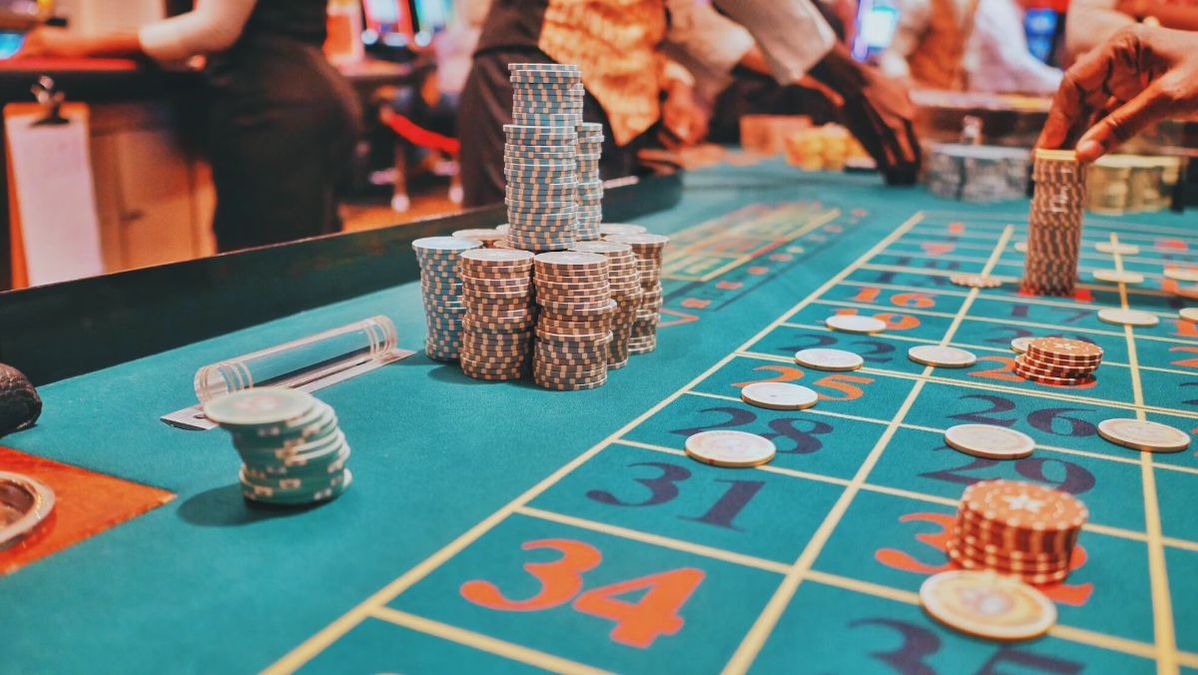
This allure is further enhanced by the sensory elements of a casino, such as bright lights, engaging sounds, and a bustling atmosphere. These factors not only stimulate excitement but also create a sense of immersion, allowing players to momentarily escape from reality. Understanding these psychological triggers can explain why individuals are drawn to these environments time and time again, even when faced with the risk of loss.
Risk and reward: The psychology of betting
At the heart of casino games lies the delicate balance between risk and reward. This dynamic is central to understanding player behavior, as individuals often weigh the potential benefits against the likelihood of losses. The thrill of placing a bet generates a rush of adrenaline, which can cloud judgment and encourage riskier decision-making. This phenomenon is commonly referred to as “gambling addiction,” where players continue to chase losses in hopes of a significant win.
Moreover, the concept of “loss aversion” plays a critical role in gambling psychology. Research indicates that the pain of losing is felt more intensely than the pleasure derived from winning. As a result, players may find themselves engaging in behavior that seems irrational to outsiders, such as increasing wagers after a loss in an attempt to recover their previous investments. This cycle can lead to a compulsive gambling pattern that many find difficult to break.
The role of social dynamics in casinos
Casinos are not merely places to gamble; they are social environments where interaction can influence player behavior. The presence of others can amplify emotions, whether they are shared wins or losses. Group dynamics often lead to decisions that one might not make alone, as peer pressure and the desire for social acceptance can encourage higher stakes betting or longer gaming sessions.
Additionally, the social aspect of gambling, including communal games and shared spaces, fosters a sense of belonging. This communal spirit can create a feedback loop that enhances the thrill of gambling. Players may become more engaged and willing to take risks when surrounded by others who are equally invested in the experience, creating a unique blend of competition and camaraderie.
Cognitive biases and superstitions in gambling
Cognitive biases significantly impact decision-making in gaming environments. Players often fall prey to the “gambler’s fallacy,” the belief that past outcomes affect future probabilities. This leads individuals to make strategic decisions based on previous game results, despite the inherent randomness of games of chance. Such misconceptions can drive players to hold onto their bets or avoid particular games, believing they have figured out a pattern.
Superstitions also play a notable role in gambling behavior. Many players develop personal rituals or beliefs that they feel influence their luck. These can range from specific clothing choices to unique betting patterns. These behaviors can create a false sense of control, allowing players to cope with the unpredictability of gambling while heightening their engagement in the activity. Understanding these cognitive phenomena is essential for both players and operators in creating a more aware gambling environment.
Exploring responsible gambling behavior
In light of the psychological factors influencing player behavior, promoting responsible gambling practices becomes increasingly important. Awareness of the triggers that lead to excessive gambling can empower players to make informed decisions. Resources and support systems are essential in ensuring that individuals engage with gambling in a healthy manner, prioritizing fun and entertainment while avoiding potential pitfalls.
Websites dedicated to responsible gambling often provide valuable insights and tools to help individuals recognize their behavior patterns. They can offer guidelines for setting limits, understanding one’s gambling habits, and seeking help if necessary. By fostering a culture of responsibility, players can enjoy the excitement of casino games while minimizing the risks associated with gambling behavior.